Zygomatic implants
Long implants anchored in the cheekbone, for severe bone loss in the upper jaw. Learn more
Years without teeth, gum disease or failed grafts can leave the jaw with very little bone. With a 3D study and the right technique, many of these patients can still have fixed teeth.
“…I travelled from the Netherlands to have wisdom tooth surgery with Dr. Eloy Bustamante, and the experience exceeded all my expectations.”
The problem
The bone that holds the teeth needs them to stay in shape. When teeth are lost, the bone gradually shrinks, both in height and width. Removable dentures and advanced gum disease (periodontitis) can speed up the process.
The result is what we call severe bone atrophy: not enough bone to place conventional implants. Many patients are told the only option is a removable denture, or a long series of bone grafts before any implant can be placed.
Options
Instead of rebuilding the bone first, these techniques anchor the implants where solid bone remains. The right option depends on your 3D study.
Long implants anchored in the cheekbone, for severe bone loss in the upper jaw. Learn more
Implants anchored in the dense bone at the back of the upper jaw, avoiding the sinus area.
Designed from your CT scan to fit your remaining bone, for cases where standard implants are not an option.
Sometimes a bone graft is still the best choice. In that case we explain why, how long it takes and how we can organise it around your trips to Madrid.
3D study
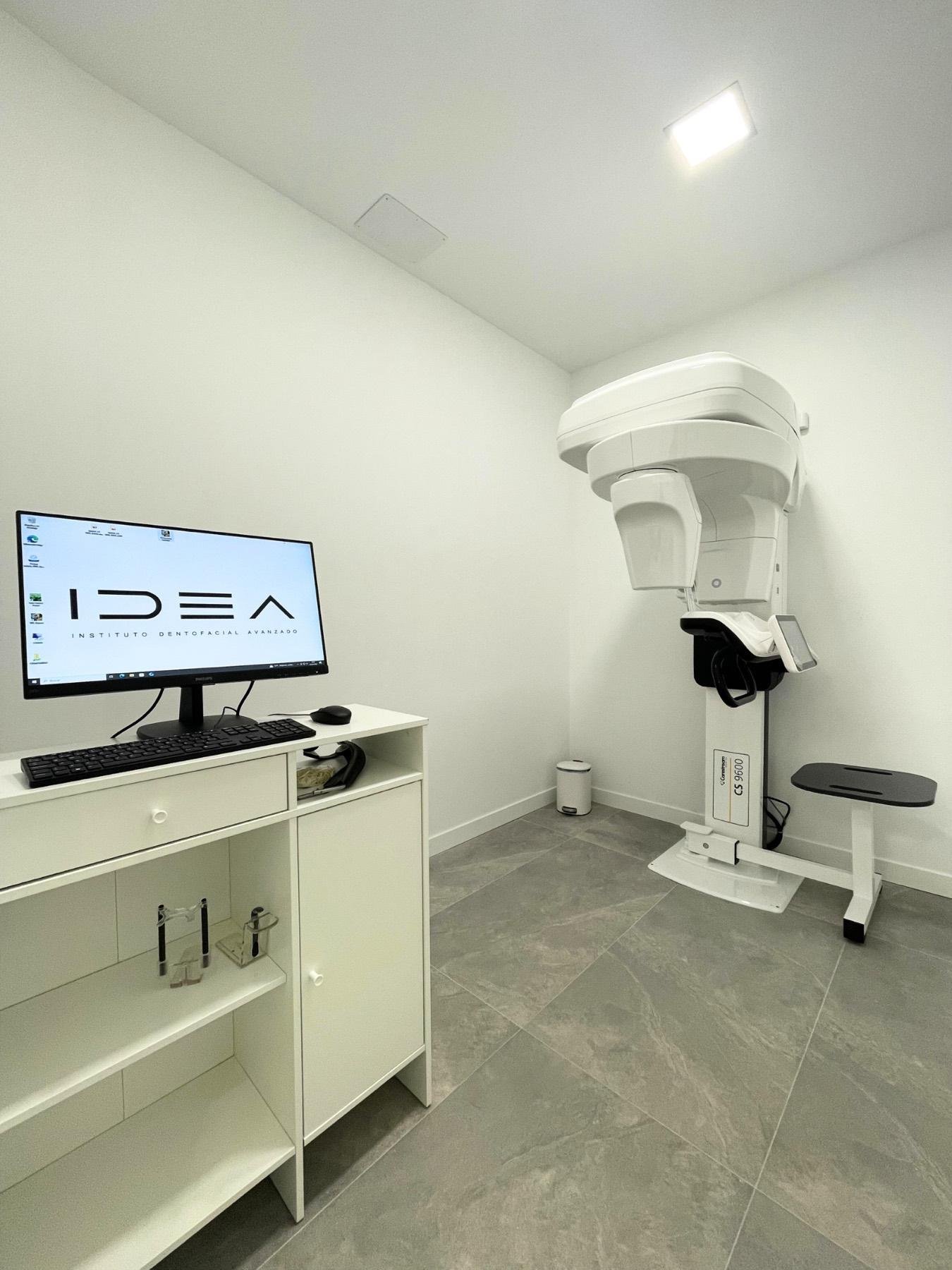
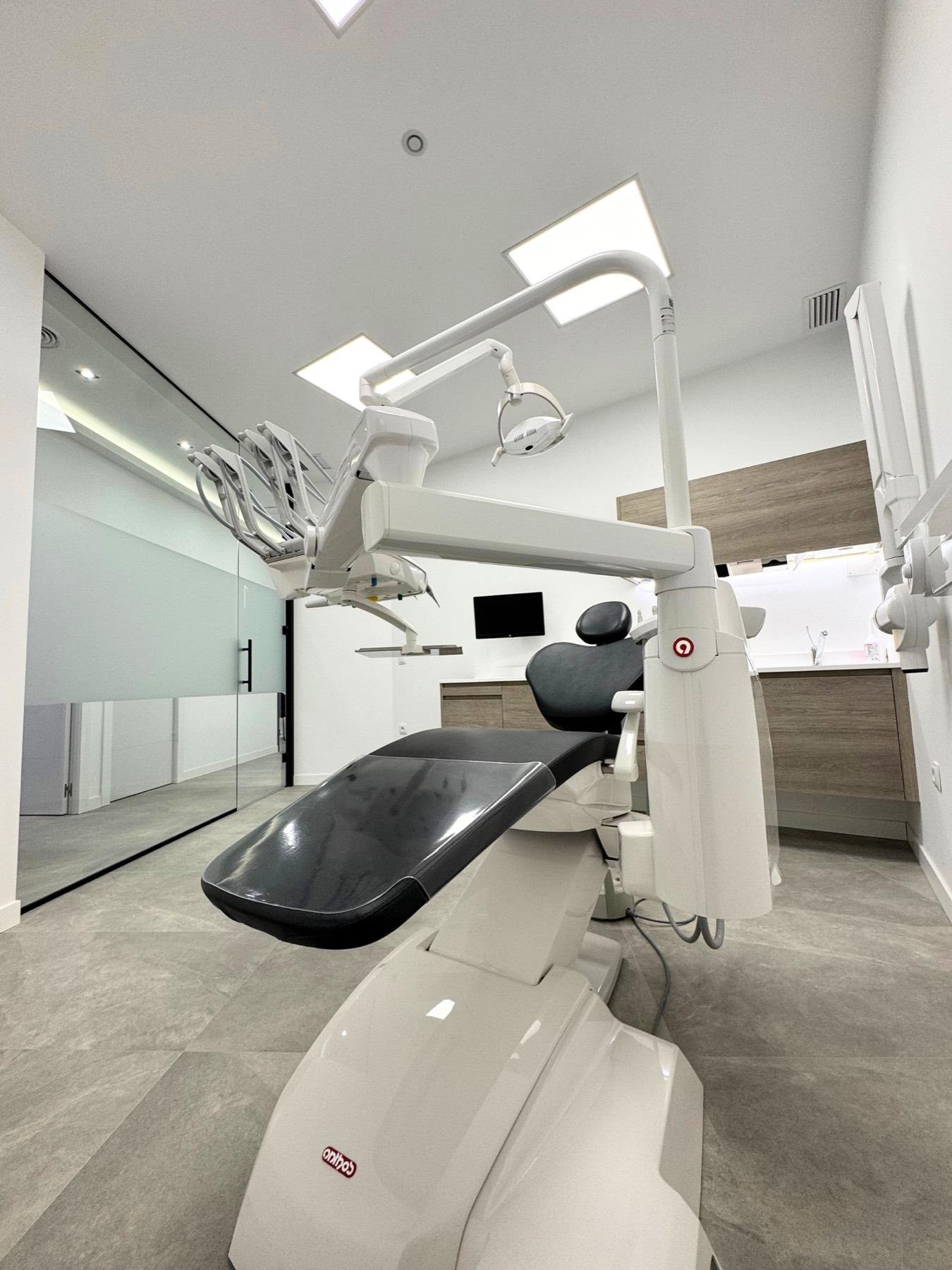
A panoramic X-ray is not enough to plan complex cases. At IDEA we have our own CS 9600 3D CT scanner, with a field of view large enough to study the jaws, the sinuses and the cheekbones in a single scan.
With it, the surgeon measures exactly how much bone you have and where, and plans the implants digitally before surgery.
Process
Get a dental 3D CT scan (CBCT) near home and send us the DICOM files and a few photos.
With your CT scan already studied, we explain which technique suits your remaining bone.
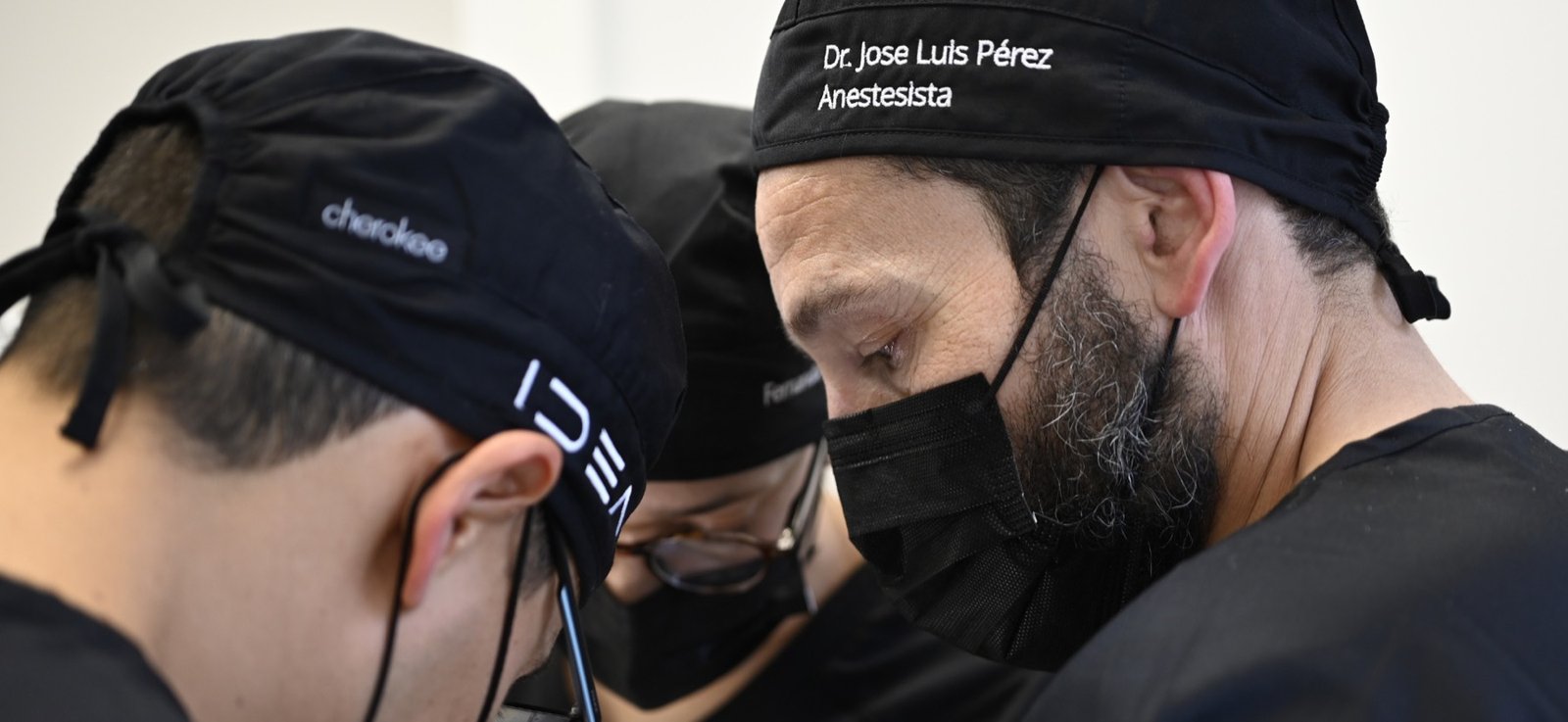
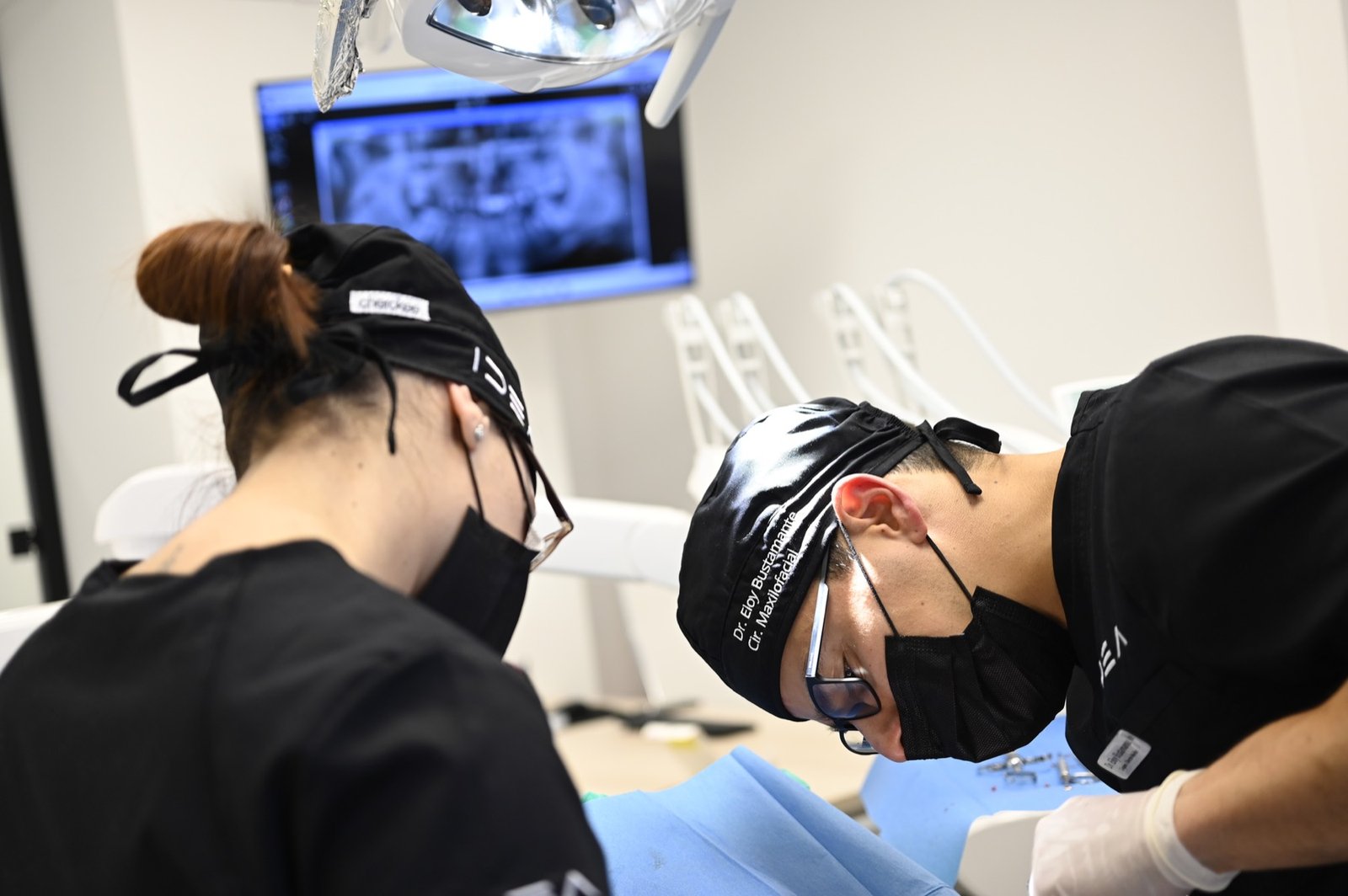
Implants placed with an anaesthetist and, when stability allows it, fixed provisional teeth around 24 hours later.
A second trip once the bone has healed, for your final prosthesis and maintenance plan.
FAQ
Often there is. Zygomatic, pterygoid or custom implants use areas of bone that remain solid. Only a 3D CT scan can confirm it: send us yours before the free video consultation and we will tell you what is possible.
Not always. In many cases of severe atrophy these techniques avoid long grafting procedures. When a graft is the best option, we explain why.
We regularly treat patients after failed grafts or implants. We study your case in 3D to find a reliable alternative.
Yes, we ask for it. A dental 3D CT scan (CBCT) of both jaws, with the DICOM files, lets the surgeon study your bone before the call, so we can give you real answers. In Madrid we take any additional images we need for the final planning.
It is done under local anaesthesia and conscious sedation monitored by an anaesthetist. Afterwards, discomfort is usually controlled with standard pain relief.
Enjoy Madrid
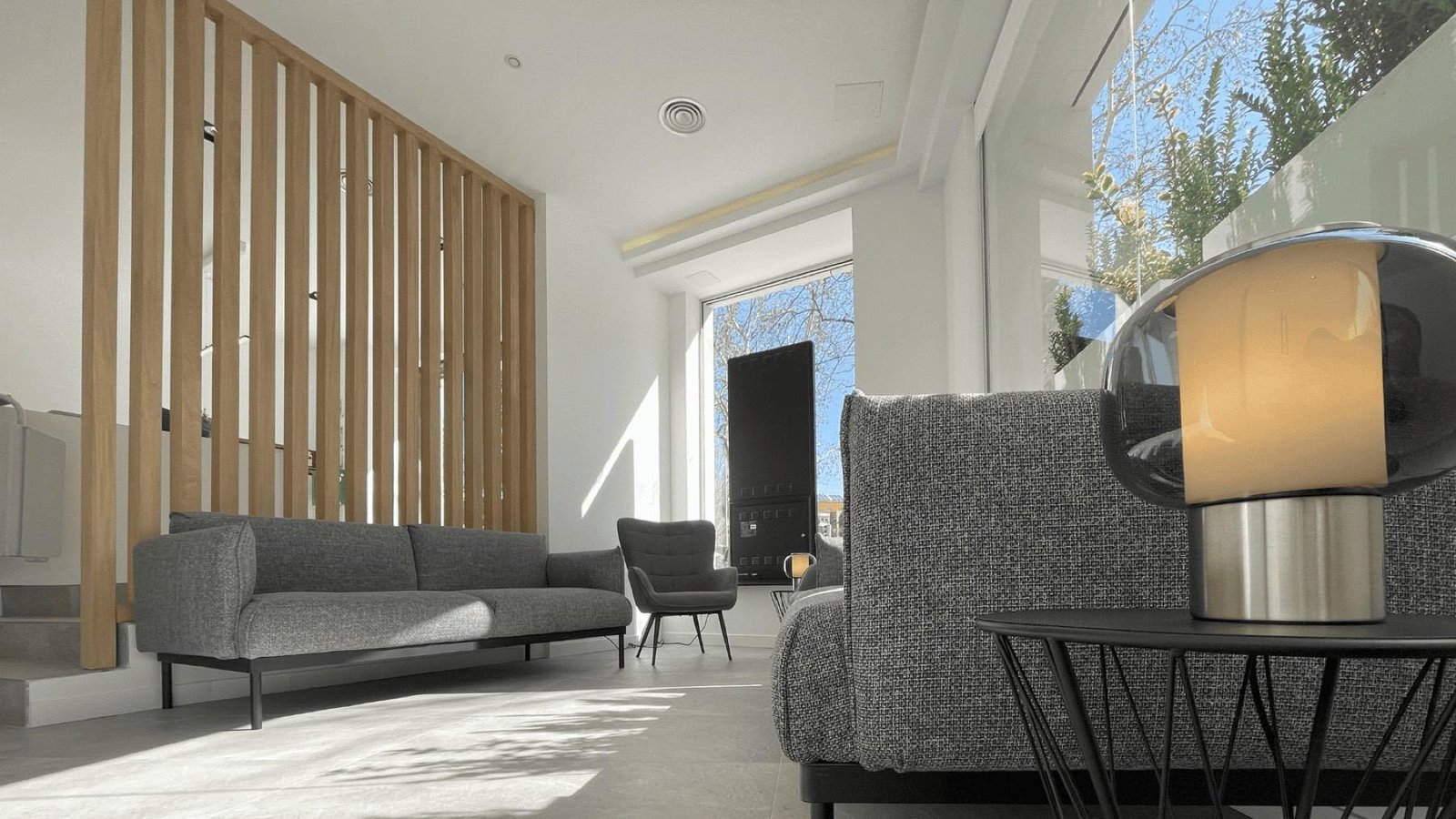
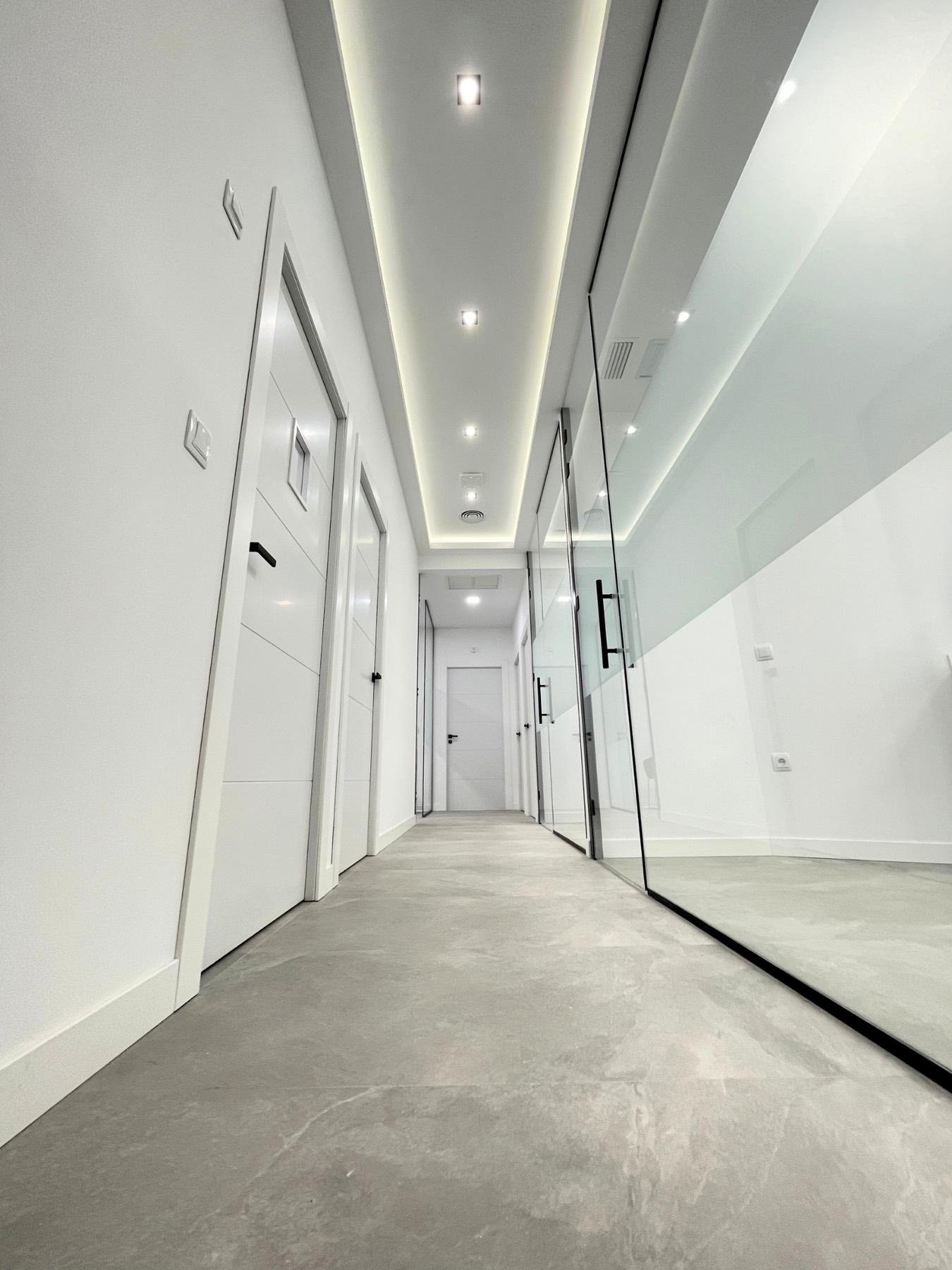
The clinic is next to Retiro Park, a short walk from the Prado. Plan a few calm days and enjoy the city between appointments.
Free video consultation
We have received your request and will contact you shortly to arrange your video consultation.